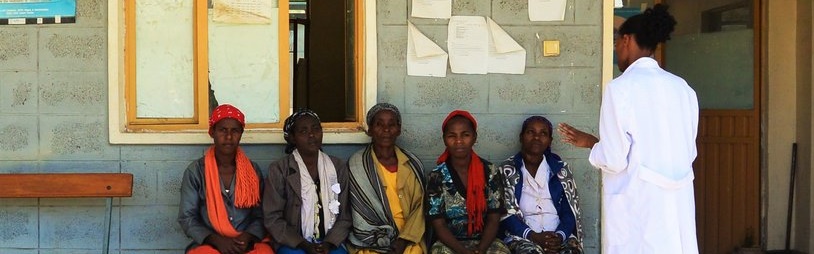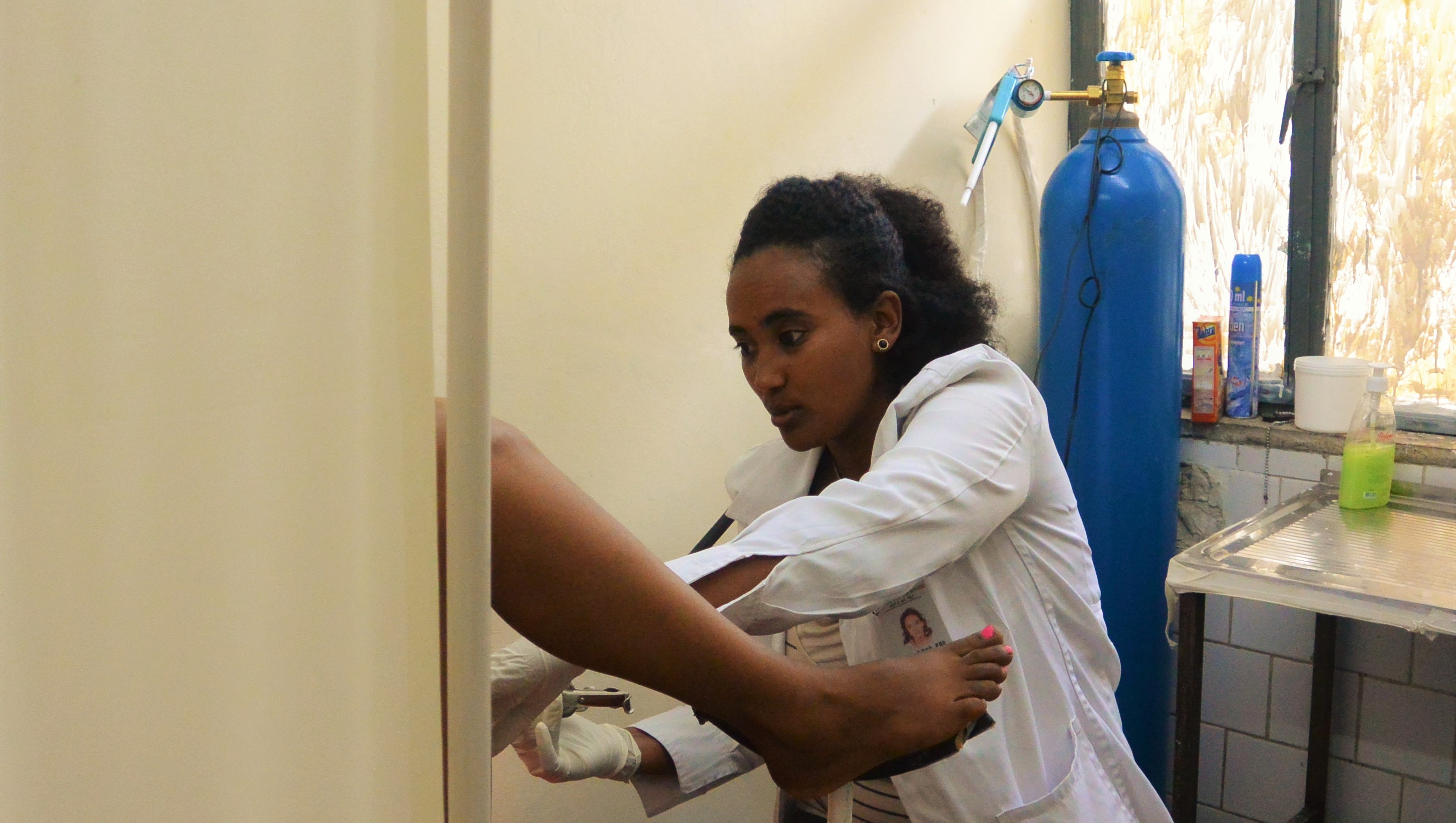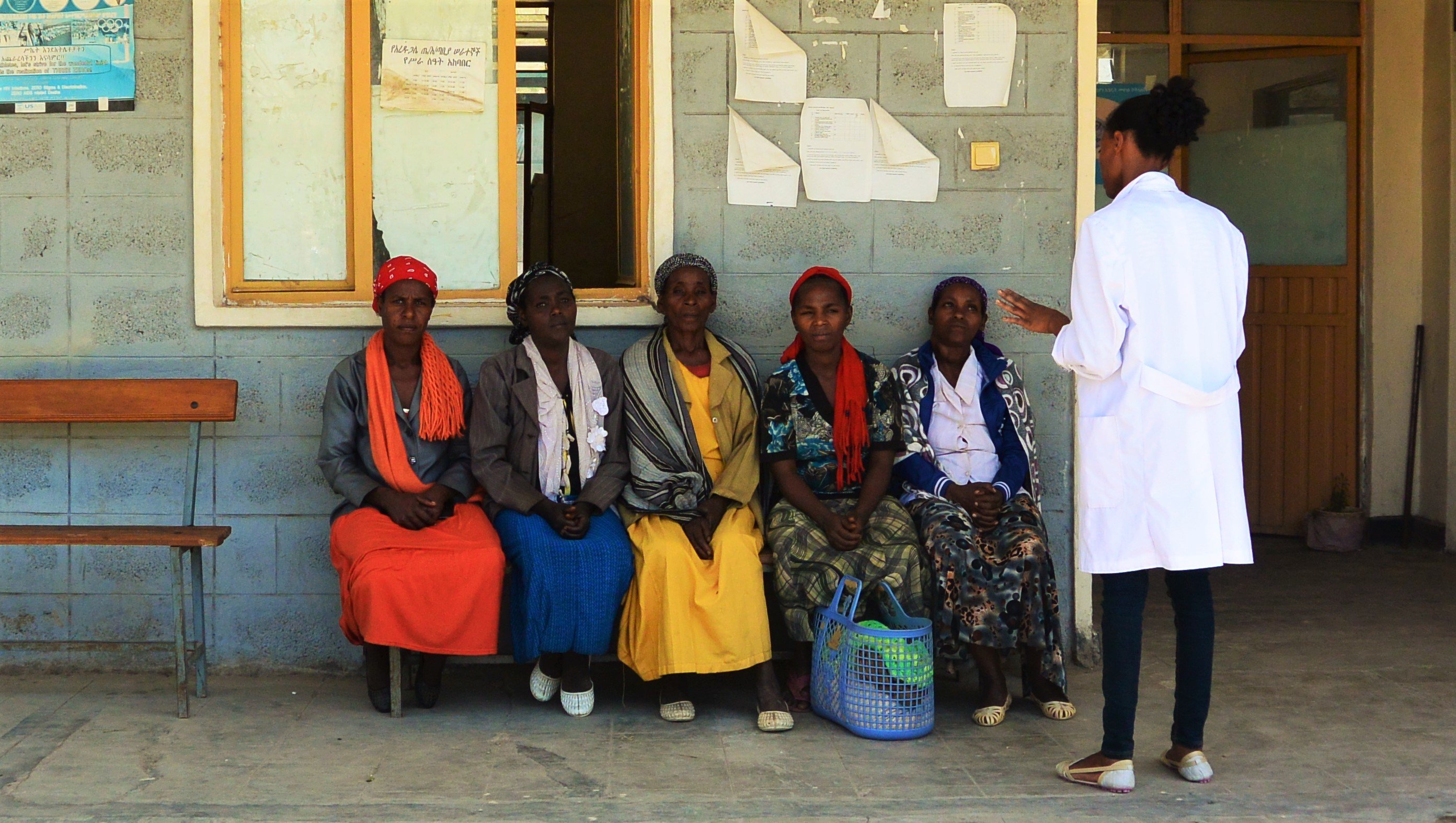
Last month I visited the Ethiopian Female Cancer Initiative (EFCI)* to give support and supervision to the nurses and midwives that were trained last August to provide cervical cancer screening in health centers both in Addis Ababa and in the Sidama region. When I first arrive in Addis Ababa I am not surprised to see that in the five health centers involved, only a total of 257 women have been screened in the first two months of the project.
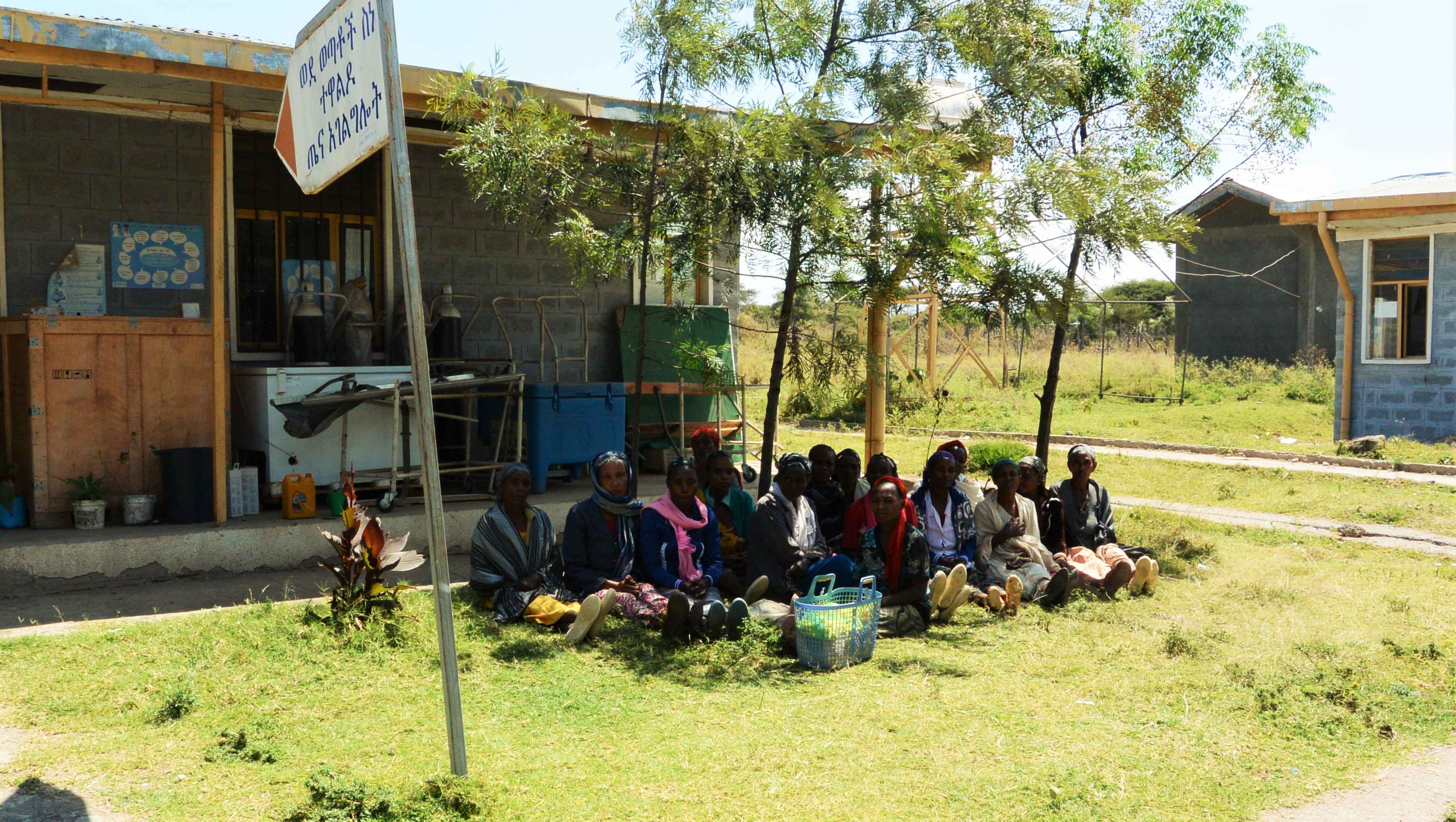
For women in the community to get familiar with the idea of cervical cancer prevention (most of them have never heard of cervical cancer, for example there is no word for cervical cancer in Amharic), to feel confident to visit a health center for screening and let their intimate parts be examined (sometimes for the first time in their lives), it takes time for such a behavior change to take place. So this is what we normally see when a new See & Treat project is set up for the first time in an area: it takes months for the community to accept the concept after which, if the experiences with the screening are positive, women will start to seek for the service.
With a similiar expectation in mind I visit the other target area of EFCI in the Sidama region, a remote area in the south of Ethiopia where they also started screening two months before. Even though it is easier to mobilize women in a rural area, it usually still takes some time. But when I arrive, over 1200 women have already been screened! "It's all about trust," Anteneh says when I ask him about this high number. As soon as the cryo equipment(necessary for the treatment of precancerous lesions) arrived at the health centers, women started visiting the health centers. Anteneh is one of the members of the local implementation partner Beza for Generation and coordinates the female cancer project in his home area. Beza has a long history and relationship with the community on addressing sensitive subjects, which started ten years ago with a campaign against harmful traditional practices like female genital mutilation.
A few years ago they started another project in collaboration with Cordaid for maternal health, for pregnant women to deliver in the nearby health centers with the support of trained midwives. At this time they encountered the fact that most of the women had never sought for medical support for delivery before nor have ever had a gynecological examination. Anteneh explains that it took a lot of time for the community to trust Beza and the project they had set up, trust which is now being reflected in the number of women seeking for cervical cancer screening as soon as the equipment arrived.
Dr. Margit Vegter
*A project coordinated by Cordaid Ethiopia and supported by the Bristol-Myers Squibb Foundation and Cordaid's Global Leaders Council