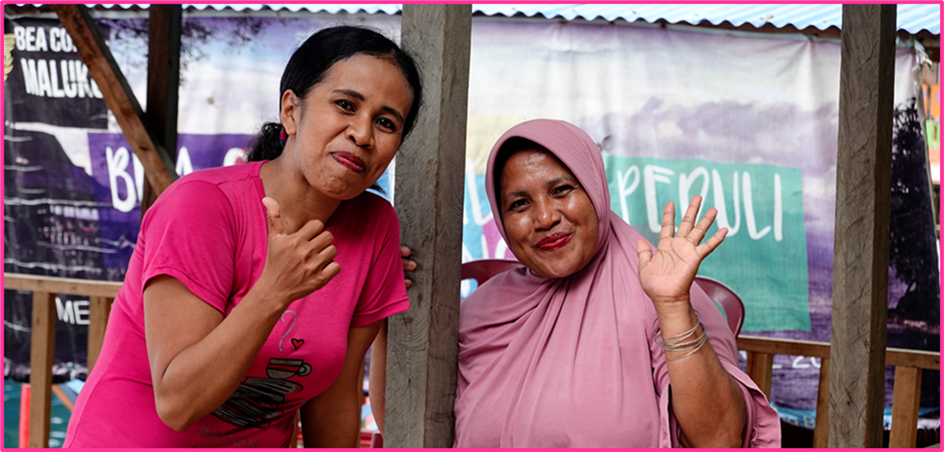
Of the total number of women who die from cervical cancer, 85% live in a developing country.

Of the total number of women who die from cervical cancer, 85% live in a developing country.
They are often young mothers who are at the heart of the household and indispensable to the family income and the local economy.
When they are gone, it has a big impact on their families and the village they live in.
The Female Cancer Foundation strives for a world without cervical cancer through screening, research and education.
VACATURE ALERT
At FCF, we are working with a small team towards a big goal: tackling cervical cancer prevention worldwide. We are looking for someone to help us with day-to-day operations, project support and fundraising. See the job posting for more information. Please respond now before May 21!


"I feel privileged because I live in the Netherlands, in another country my chances would really have been very different. That unfairness, that inequality in where you're born, that's why I think FCF's work is so important. They reach the women who have poor access to care."
Today, on International Womensday, former patient Hazel tells her story. About the diagnosis, what the disease did to her and how she views cervical cancer worldwide. Read the full interview here.
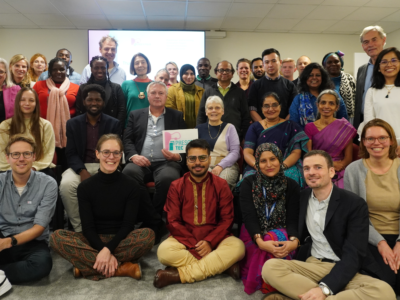
Last week, the international consortium meeting of the PRESCRIP-TEC project took place. With the local implementing partners from Uganda, Bangladesh, Slovakia and India and supporting partners from Spain, Scotland and the Netherlands, among others, it was a great international success!
During this 3-day meeting, experiences and information were exchanged. In the final phase of this 3-year project, we are now collecting and analyzing the results. Publications are coming soon! Read more about the project here .
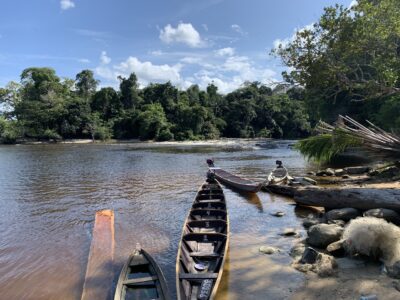
Together with several local partners in Suriname, FCF launched a project to
Read more about the project in Suriname here.
Do you have experience in Social Media and want to contribute to women's health worldwide? As FCF's Social Media expert, your responsibilities include our social channels and the strategic rollout of Social Media plans.
For more information, see our job posting.
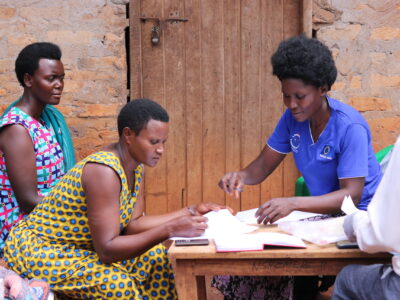
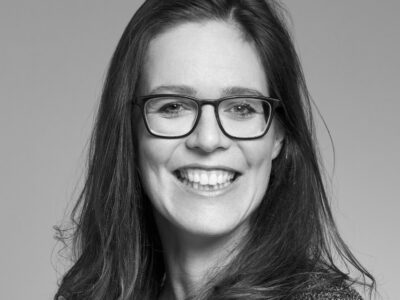
Our supervising physician and researcher Marlieke de Fouw has been involved with the foundation for many years. She has done research on the role of men in education in Uganda. So not only addressing women, but involving men in this as well. This certainly has an effect, crucial is the way of transmission and involving the men in time for prevention. View the full article here and see our other research projects here.
Our local partner in Sierra Leone is playfully calling on women from the community to come for screening. Colleague Milton, who is not only a social mobilizer but also a musician, has made a cheerful song about the importance of screening. This can be heard on the radio, but a car with speakers also drives into villages to draw the attention of the population. Now that's awareness! Click here for the video.
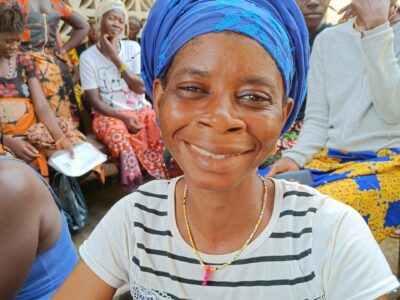

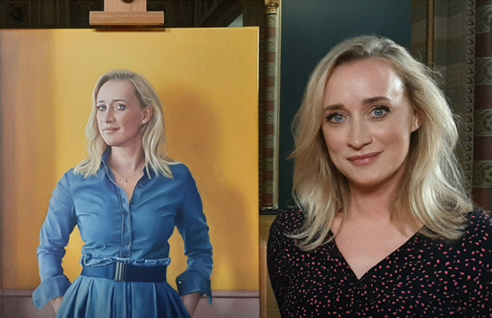
On the initiative of our ambassador Eva Jinek and the Brilliant Ladies Business Club, Schaap en Citroen Jewelers has designed Gift for Life bracelets. With your purchase you support our See & Treat method for women in developing countries. Read here why Eva supports this method and is an ambassador for the foundation.
Eva Jinek: "It is currently the only cancer in the world that can be completely eradicated....It sounds like a fairy tale. But this method can save lives." Read more about why Eva Jinek and Jennifer Hoffman support our approach and are ambassadors.
This film explains our See & Treat method briefly and powerfully. The method is very cost-effective in combating cervical cancer precursors.
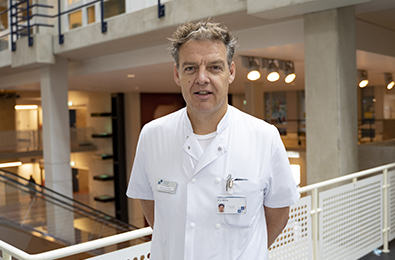
Gynaecologist-oncologist at LUMC Jogchum Beltman: "In some regions, people don't have the right . ..
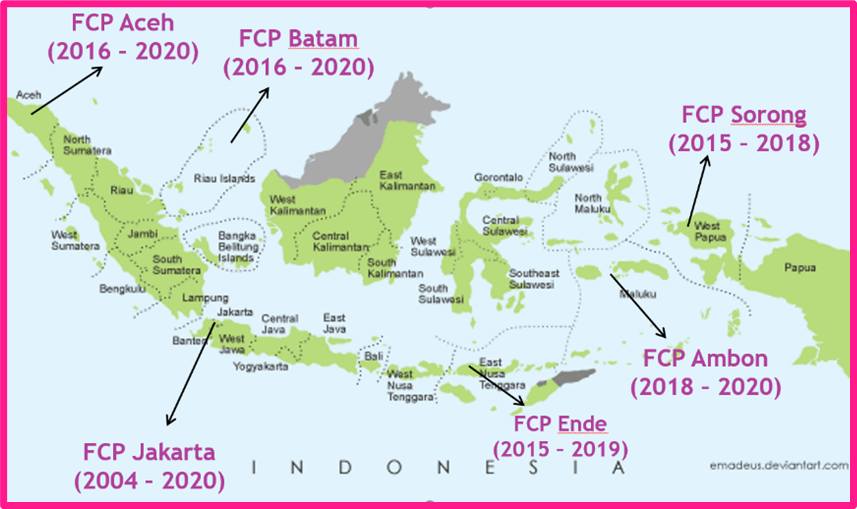
The Female Cancer Programme (FCP) in cooperation with our experienced partners from .. .
"For the first time ever, the world has committed to eliminate a . ..
1 million viewers saw the first episode of the new season 'Stars . ..
Schaap en Citroen Jewelers has, on the initiative of the Brilliant Ladies Business .. .
On what has been achieved in 2019 to eliminate cervical cancer on .. .
New developments are listed here and you can subscribe to the newsletter.
The Female Cancer Foundation strives for a world without cervical cancer, to be achieved by providing on-site care(screening and treatment), education and research.
FCF combats the development of cervical cancer in the high-risk group: women between 30 and 50 years of age. Usually young women with small children are affected by this poverty-related disease, while they play a crucial role in their families and communities. With every ten euros, FCF helps a woman in the world's most remote areas.
Because a world without cervical cancer is not a utopia but a real goal. After breast cancer, cervical cancer is the most common cancer in women under the age of 45. Worldwide, more than 500 000 women are diagnosed with this form of cancer every year, and approximately half of these women do not survive the disease. The wry thing about these facts is that cervical cancer is preventable and 100% curable if the symptoms are diagnosed and treated in time.
In everything FCF does, local embedding in the health care system is paramount, so that we can hand over the project after 3-5 years. We achieve this through the 'train-the-trainer' principle: local health workers are trained so that they themselves can further spread the knowledge they have acquired within the local community.
With your donation, we can make a direct difference. With your donation, we will screen one or more women and - if necessary - treat her locally so that she does not die needlessly from cervical cancer. Donate and make a difference.