
LUMC science intern Manouk in Malawi

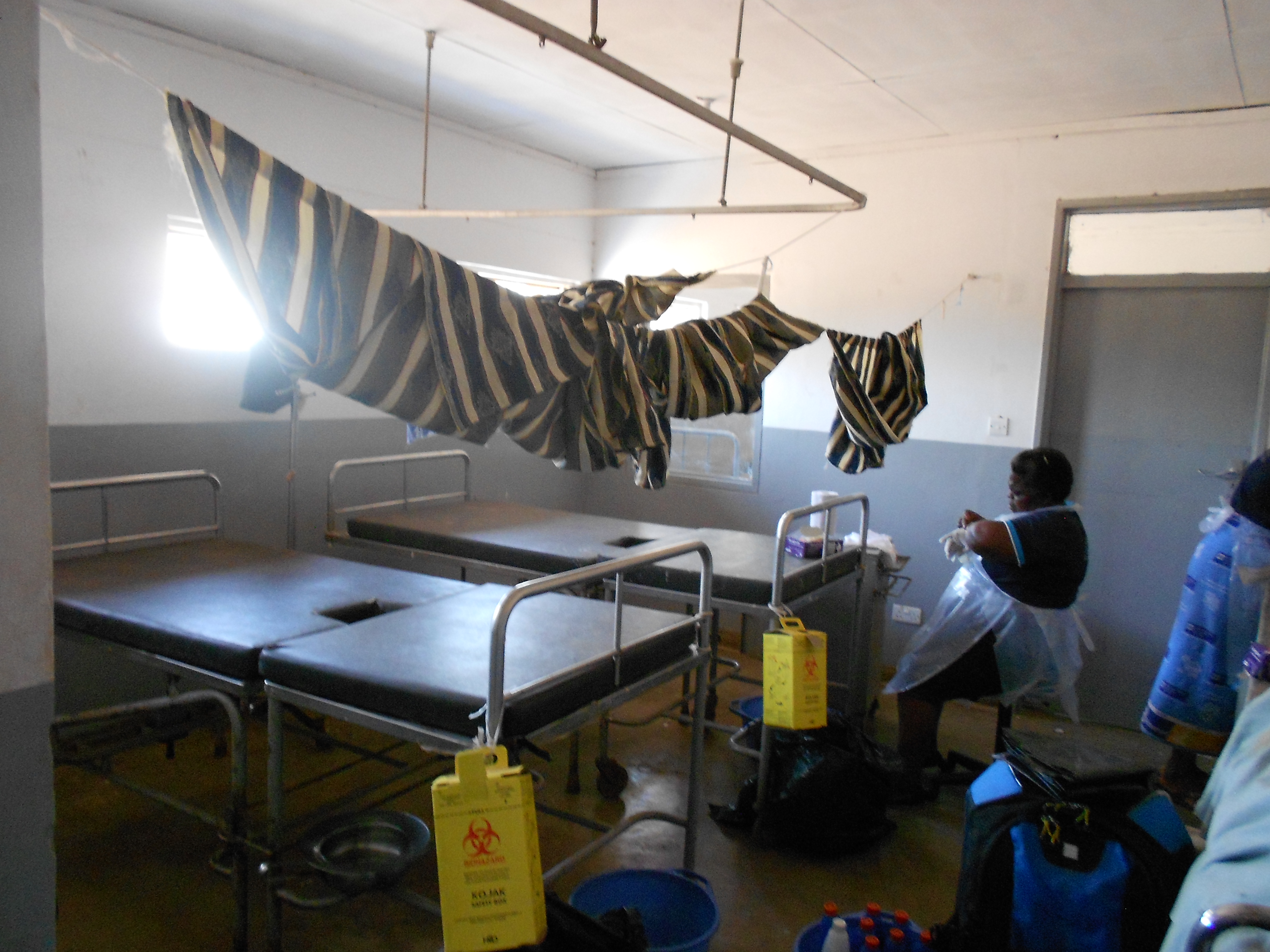
October 18 was finally the day, flying to Malawi! For me a very exciting trip because it is the first time I leave Europe. After a nice flight, getting used to the 35 degrees Celsius, not always having electricity and the African culture, I was able to start my science internship, part of the master of medicine in Leiden. After a tour of SOS Children's Villages in Blantyre, I was shown the data. This consists of about 30 thick folders full of forms from all the women who have already been screened for cervical cancer. Good to see that so many women have been screened, but a very big job for me to start processing it!

snapchat-5132143333557134930dscn0821-1

In addition to processing data, I also went along to an outreach this week, screening women in rural areas. It was extraordinary to see how the Save My Mother team operates. While the team is preparing the screening site, the women are already being briefed on what cervical cancer is, what the risk factors are and what to expect from the screening. Then the women are screened and given information about the results and follow-up. During this post-counselling, we added 5 more questions for my research. These questions are about motivation for going or not going to screening. These questions will also eventually be administered at the clinics in town, so that I can start comparing these two groups. After all, that is the purpose of my research, to compare cervical cancer screenings in the city with screenings in the flatlands.


dscn0819-1


Ten successful years fighting cervical cancer with vinegar

The Female Cancer Foundation is celebrating its tenth anniversary. Founded by Prof. Lex Peters, gynecologist at Leiden University Medical Center, the foundation is committed to a world without cervical cancer. The results are overwhelming, although there is still much work to be done.

Every two minutes, somewhere in the world, a woman dies of cervical cancer. It is hard for us to imagine that in the Netherlands, because "the smear test" has reduced the disease tremendously in recent decades. Poignantly, 85% of women who die of cervical cancer live in developing countries, without access to proper care. Often these are (young) mothers who are the hub of the family. When they fall away, it has major consequences for their families and the local economy of the village where they live. Unnecessary, as this is preventable with limited resources.

The Female Cancer Foundation (FCF) has been successfully fighting this poverty-related disease for ten years with a relatively simple method. Lex Peters developed a simple and inexpensive program to do this, See & Treat: screen with vinegar and treat preventively with freezing (nitrogen).

Since then, millions of women in Bangladesh, the poor regions of Indonesia and several African countries have been educated, thousands have been screened and, if necessary, given immediate preventive treatment. FCF is committed to structural change in healthcare in developing countries. It does this by training local health workers. Only in this way can the founder's dream be realized: a world without cervical cancer.


For more information and press inquiries, contact the Female Cancer Foundation, phone 071 526 4636, or 06 235 19130 or email info@femalecancerfoundation.org